The Fitting Room
Espadrilles, hats and the seventies: dressing for Formentera
What the island’s markets sell, what its beach tables ask of you, and the new shoe rule for bikers.

Photo Credit
Image courtesy of © Emanuela Meme Giudic… · CC BY 3.0 via Wikimedia CommonsWhat do you wear on an island whose markets still keep the spirit of the seventies? Mostly what those markets sell: espadrilles, hats, linen and handmade jewellery. The beach tables ask for little more than a layer for the evening, though Spain’s new road rules have firm views on sandals. Checked against the Consell’s, the DGT’s and the venues’ own pages in November 2026.
What the island sells you
Formentera dresses from its markets. The Consell’s list of what you will find on the stalls runs to baskets, espadrilles, jewellery, textiles, glasswork, ceramics, leather and painting, much of it by artists who live on the island. It is less a shopping list than a uniform, and it is easy to find yourself wearing it by the third day.
At dusk on the seafront of Es Pujols, more than 40 stalls keep the hippie, “Flower Power” spirit of the seventies, in the Consell’s words: seventies-style clothes, handmade costume jewellery, hats, espadrilles and bags. Fashion here does not so much come round again as never leave.
At La Savina, the market on the port promenade greets passengers off the ferry with summer fashion, accessories and crafts made by hand from wood, shells and stones. In Sant Francesc, stalls on the Plaça de la Constitució and the pedestrian streets add clothes and accessories, with drawings and watercolours by island artists.
In Sant Ferran de ses Roques, the evening art and craft market along the main street is, the Consell says, an open-air gallery where you can talk to the people who made each piece: painters, sculptors and makers selling jewellery, fashion and leather goods. It is the place to buy something nobody else at dinner will be wearing.
At El Pilar de la Mola, the rule since 1984 is that everything sold is made by hand in Formentera, textiles and leather included. A hat bought here can say exactly where it came from, which is more than most hats can.

What the island asks of you
Very little, and most of it sand. At Juan y Andrea, lunch is served on the terrace or on the sand itself, under awnings; at Blue Bar every table is outside, with an interior kept for the low season, in October or November. The only dress code we found on the island’s beach tables is the weather’s: bring a layer for the evening.

Photo Credit
Image courtesy of © Fabian Hurst · CC BY-SA 4.0 via Wikimedia CommonsThe season changes the brief, not the shoes. Ses Illetes, the Consell notes, is as good for long walks in the colder months as it is for a swim in summer; out of season, the same espadrilles simply walk further, under a jumper rather than a hat.
The island’s most famous beauty treatment is the one it bans.
Footwear now has a legal edge. Since 1 October 2026, Spain requires motorcyclists to wear closed footwear on any road and gloves on interurban roads, and every cyclist to wear a helmet outside towns. The espadrille belongs at the market and on the terrace, not on the motorbike.
What it asks you to leave alone
The island’s most famous beauty treatment is the one it bans. In the Ses Salines natural park, bathing in or using the mud of the s’Espalmador lagoon is prohibited, the dunes and salt ponds are off limits, and nobody may camp or spend the night. Pack the sun cream instead.
Our advice: arrive light and buy on the island. An espadrille from Es Pujols, linen from a Sant Ferran maker and a piece from La Mola, plus a layer for the evening breeze, is a wardrobe that fits every table on Formentera, from the sand at Illetes to the square at El Pilar.
Why it's on our list
- What the island sells you
- What the island asks of you
- What it asks you to leave alone
Location
The map comes from Google Maps, which sets its own cookies once it loads.
More in depth
 The back storyRice at Es Caló and long lunches at Illetes: how Formentera eatsRice by the sea, a salt mill and long lunches at Illetes.
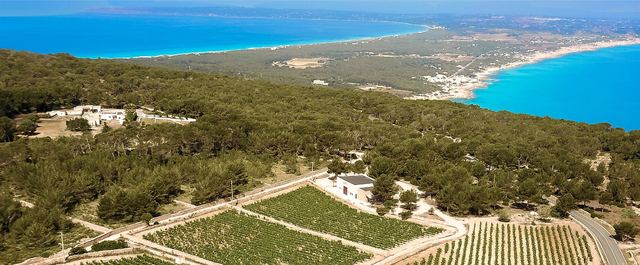 The back storySourdough at dawn, ungrafted vines by dusk: Formentera’s cafés and makers, the back storyA family café since 1988, flaó and peix sec, and the island’s two wineries on La Mola and Barbaria.
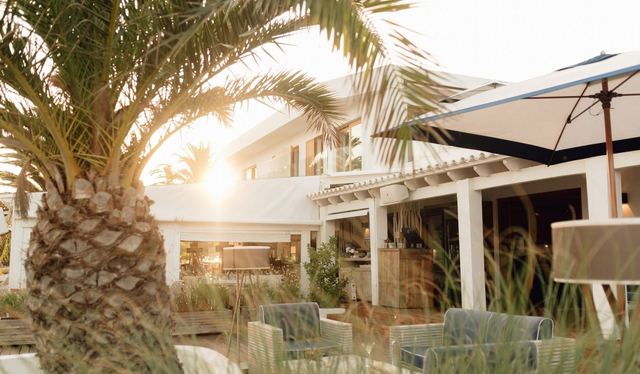 The back storyA bus in the dunes, palms on the sand: Formentera’s beach bars, the back storyPiratabus’s bus, Juan y Andrea’s 1971 beach bar and the Migjorn sunset ritual.