Objects of Desire
The island that rations the car
The summer permit, the ferry that takes no cars, 32 Green Routes and the boats of La Savina.
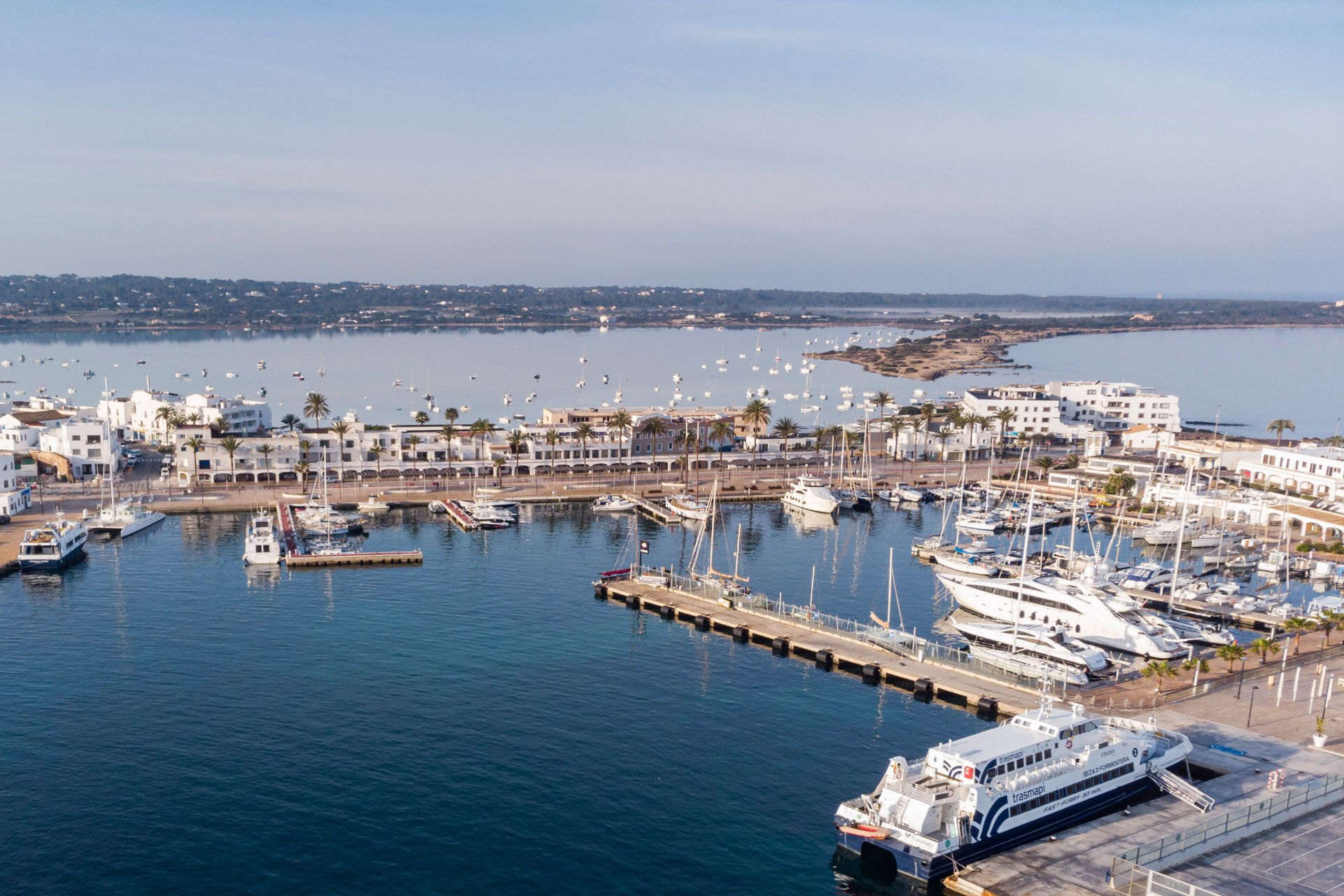
Photo Credit
Image courtesy of © Marina La SavinaWhy would an island famous for its roads to lighthouses ask you to leave the car behind? Because Formentera has decided that its luxury is quiet. A law of 2019 makes summer driving a matter of permits, the island has no airport, and its finest machines are bicycles and boats. Checked against the Consell’s, the DGT’s and the operators’ own pages in November 2026.
A permit, not a horsepower figure
Formentera is the rare place where the most coveted motoring accessory is a piece of paper. Under Law 7/2019, of 8 February, for the environmental and economic sustainability of the island, driving on Formentera between 1 June and 30 September needs an authorisation, applied for online at formentera.eco, the Consell’s own portal.
The 2026 season ended on 30 September. The portal is closed for the winter while the next season is prepared, and reopens on 20 April 2027; the 2027 rules will be published there once they are approved. Appeals against fines go through the Balearic tax agency, which tells you how seriously the island takes its quiet.
Everything arrives by boat
Formentera has no airport, so every car, bicycle and suitcase comes by sea. Aquabus, which sails from Ibiza Town, carries no cars at all: bicycles are welcome, a motorbike can travel if you ask for space in advance, and its own FAQ sends drivers to formentera.eco to check whether their vehicle may enter at all.
Two wheels, 32 routes
The Consell’s advice is plain: Formentera is best enjoyed slowly, and the bicycle and the public bus are the best ways to get about. The land is flat and the distances short; for the longer runs, such as the climb to La Mola, there is the bus. Its 32 signposted Green Routes, many of them fit for bicycles, link the villages and beaches away from the main road.
Spain’s rules changed this autumn. Since 1 October 2026 every cyclist must wear a helmet on interurban roads, with the old exemptions gone, and motorcyclists need closed footwear on any road and gloves on interurban roads. The espadrille, in other words, now belongs at the market, not on the motorbike.
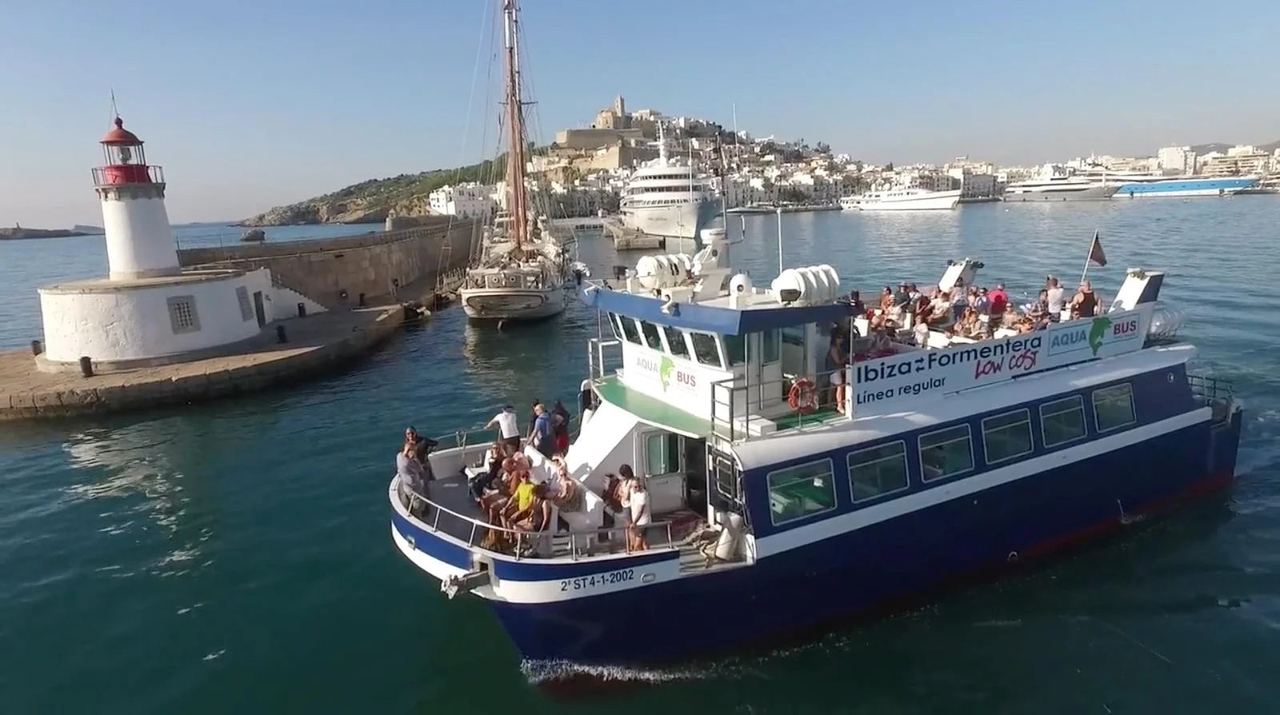
Photo Credit
Image courtesy of © AquabusThe great drive, and where it stops
The island’s one cinematic road runs to the Far de Barbaria. The Consell notes that a near-desert landscape, a narrow road and the distant lighthouse became part of cinema’s collective imagination through Julio Medem’s “Lucía y el sexo”; the lighthouse stands on a sheer cliff 100 metres above the sea, the southernmost rocky height in the Balearics.
On Formentera, the luxury is not how fast you go but how little you need to.
Some roads end before the scenery does. At Can Marroig, in the Ses Salines natural park, motor vehicles stop at the recreation-area car park; beyond it the estate is open only on foot or by bicycle. The park, in short, prefers its visitors pedal-powered.
The machines that float
The island’s grandest machines are moored. Marina de Formentera, Marina La Savina and Port Formentera share the port of La Savina; Marina La Savina, on the western basin, has more than 93 berths for boats of 6 to 35 metres, and Port Formentera runs from its Torre de Capitanía on the eastern basin, with a fuel station it lists as a 24-hour service.
Off s’Espalmador, Ports IB runs a buoy field: same-day bath passes, from 10am to 2pm or 2pm to 6pm, day passes from 10am to 6pm, and an overnight pass from 6.30pm to 6pm the next day, with buoys for boats of 8 to 25 metres. In the natural park, anchoring on the Posidonia is prohibited; drop anchor only on sand where the rules allow it.
Our advice: hire a bicycle at the port, leave the car for the mainland in summer, and if you arrive by yacht, book the buoy before you book lunch. On Formentera, the luxury is not how fast you go but how little you need to.

Photo Credit
Image courtesy of © Beni Marull · CC BY-SA 4.0 via Wikimedia CommonsWhy it's on our list
- A permit, not a horsepower figure
- Two wheels, 32 routes
- The machines that float
Location
The map comes from Google Maps, which sets its own cookies once it loads.
More in depth
 Objects of DesireMint, lime and a southern sunset: the Mojito on FormenteraThe IBA’s Mojito, word for word, and the beach bars from Migjorn to Illetes that keep the sunset.
 Objects of DesireLess parked than crouched: the electric Jaguar and the new supercarsJaguar’s Type 00 and Type 01, Ferrari’s first electric car and the record-breakers around them.
 The Fitting RoomEspadrilles, hats and the seventies: dressing for FormenteraWhat the island’s markets sell, what its beach tables ask of you, and the new shoe rule for bikers.